

Why The Tackle is Where Rugby is Won and Lost
Tackling is one of rugby's most fundamental skills. A well-executed tackle can neutralise a player twice your size, swing field position in an instant, and inject a momentum-shifting confidence into an entire team. A poorly executed one can cost your side a try or cost a player their season.
This article is not a step-by-step guide to tackling mechanics. It is something more important: an exploration of why correct tackle technique matters. So that every player on the field is safe, and for the defensive integrity of the team wearing your jersey.
Tackling Across Rugby League and Rugby Union
Rugby league and rugby union share a common ancestor, and nowhere is that shared DNA more evident than in the act of tackling. Both codes demand that defenders use their bodies to stop ball carriers. Both require physical courage, timing, and critically disciplined technique.
The rule context differs significantly. In rugby league, the tackle initiates a structured sequence: the six-tackle set, the play-the-ball, and the transition of possession. In rugby union, the tackle opens a contest, the breakdown, where both teams compete for the ball in the ruck, placing additional demands on the tackler to release, roll clear, and allow that contest to unfold.
Despite these differences, the defensive obligation is the same in both sports: stop the ball carrier, legally and effectively. How a player does that shapes everything that follows.
The shared principles behind a good tackle
Strip back the rule differences and the same physical principles govern effective tackling in both rugby sports.
Head placement to the side and never directly in front of the ball carrier's body — is the single most important safety principle in both rugby league and rugby union. Combined with a low body position, powerful leg drive, and a wrap of the arms, these mechanics apply to every tackle at every level of the game.
These are not stylistic preferences. They are biomechanical requirements for a tackle that is both safe and dominant.
Safety first: why technique is a duty of care, not just a coaching point
Player safety is the most important reason to teach, reinforce, and continuously coach correct tackling technique. This is not a controversial position. It is the stated policy of World Rugby, the NRL, and every governing body with jurisdiction over the game at any level. The tackle is the single most frequent source of contact injury in rugby, for both the ball carrier and the tackler.
Technique is not just about performance. At its most fundamental level, it is a duty of care - to your opponents, to your teammates, and to yourself.
Winning the defensive battle: how technique shapes match outcomes
Beyond safety, tackle technique is a performance differentiator. The gap between a team that tackles well and a team that tackles poorly is visible in the scoreboard by the final whistle.
Missed tackles do not happen in isolation. Each one breaks the defensive line, creates overlap opportunities, and puts additional pressure on other defenders to cover. A pattern of missed tackles across a game is the clearest signal that technique is the problem. Players are rarely missing tackles because they are not trying; they are missing them because their body position, angle, or timing is wrong.
The art of the tackle is learned on the training paddock, long before the whistle blows.
The one-on-one contest: technique as a force multiplier
Correct tackle technique allows a smaller, less powerful defender to stop a larger, stronger ball carrier consistently. This is one of rugby's great equalisers. A player who drives from a low base, uses their legs to generate force, and wraps the arms tightly can bring down a ball carrier who has a significant physical advantage. Conversely, a player who relies on size and strength alone, without technical discipline, will be beaten repeatedly by a mobile, well-coached attacker.
This is why the tackle is often described as a technique-first skill. Strength and power amplify good technique. They cannot replace it.
Team defence is built on individual habits
Coaches spend considerable time designing defensive systems — line speed, blitz defence, drift defence, rush patterns. All of these systems share a single dependency: each player in the line must be capable of executing their individual tackle with technical accuracy. A defensive system built on technically poor tackling is a system that will break down under pressure.
Line speed means nothing if players arrive at the ball carrier out of position. Blitz defence is ineffective if players are high and can be offloaded around. Team defence, in both rugby league and rugby union, is the aggregate product of individual tackling habits rehearsed so many thousands of times that they execute automatically under match pressure.
The mental dimension: confidence in contact
There is a psychological dimension to tackling that is rarely discussed but immediately recognisable to any experienced player or coach. Players who are unsure of their technique hesitate. They pull out of tackles, go high to avoid contact, or arrive at the ball carrier at half-pace. That hesitation is both dangerous and ineffective.
Confidence in contact comes from one place: repetition of correct technique until it becomes reflex. When a player knows — in their body, not just their mind — that their technique is sound, they tackle with conviction. That conviction is what separates a dominant defender from a reluctant one.
The role of deliberate practice in building tackle technique
Knowing why technique matters is the first step. Building technique requires something else: deliberate, structured, progressive repetition.
Match play alone does not build tackle technique. It tests it. The drills, the controlled contact sessions, and the progressive exposure to resistance are where technique is actually formed. Coaching research is consistent on this point — skill acquisition in contact sports requires high-repetition practice at low to medium intensity before it can be applied reliably under the full physical and cognitive demands of a match.
This is where the right training environment — and the right training equipment — becomes critical. Tackle bags and shields allow players to practise contact mechanics repeatedly without full-contact collision. They provide a consistent, safe surface against which to drill body position, arm wrap, leg drive, and head placement. Tackle suits and pads allow defenders to practise completing the tackle at game pace against a moving opponent. Progressive contact training, built on sound fundamentals and supported by quality equipment, is the pathway from a coached technique to an instinctive one.
How HART Sport can help your team tackle with confidence
Building correct tackle technique requires more than coaching knowledge, it requires the right training environment and equipment to support deliberate, progressive practice. HART Sport supplies rugby clubs, schools, and coaches across New Zealand with a comprehensive range of tackle training aids designed to develop contact confidence at every level of the game.
From heavy-duty tackle bags and body shields that allow players to drill mechanics repeatedly, to tackle suits and protective pads that support full-contact training progressions, HART Sport's rugby range is built for the demands of both codes. Whether you are introducing contact to junior players for the first time or reinforcing defensive habits in a senior squad, the right equipment makes the difference between a drill and a development session.
Explore HART Sport's full range of rugby tackle training equipment and give your players the tools to build technique that lasts.
Editor’s Picks
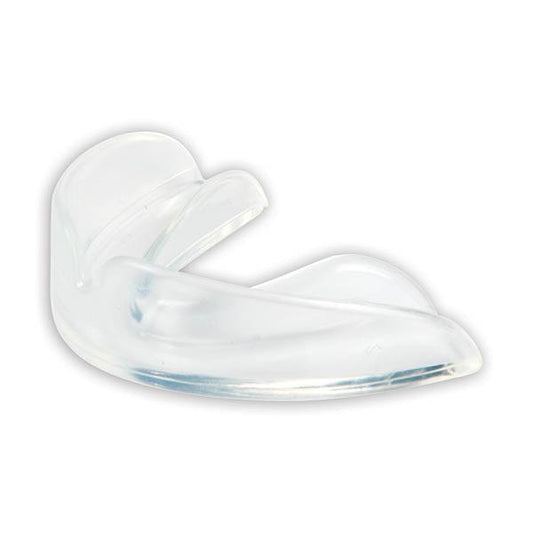
HART Blitz Mouthguards
- $5.50
$5.50- $5.50
- (-0%)
- Unit price
- per
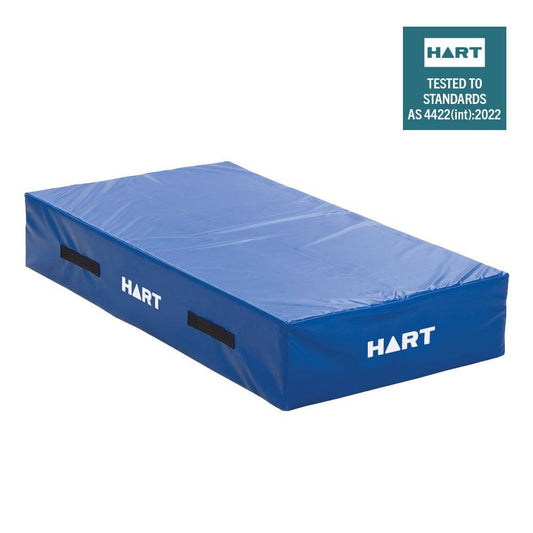
HART Small Soft Landing Mats - Royal Blue
- $999.00
$999.00- $999.00
- (-0%)
- Unit price
- per
-
Royal Blue
-
Green
-
Purple
-
Red
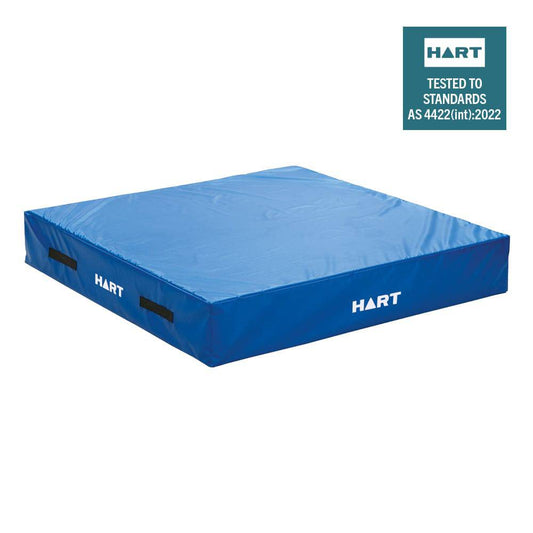
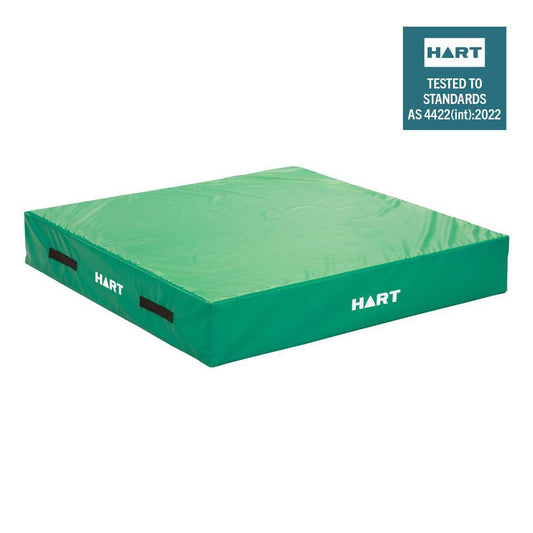
HART Super Soft Landing Mat Medium - Royal Blue
- $1,490.00
$1,490.00- $1,490.00
- (-0%)
- Unit price
- per
-
Royal Blue
-
Green
-
Purple
-
Red
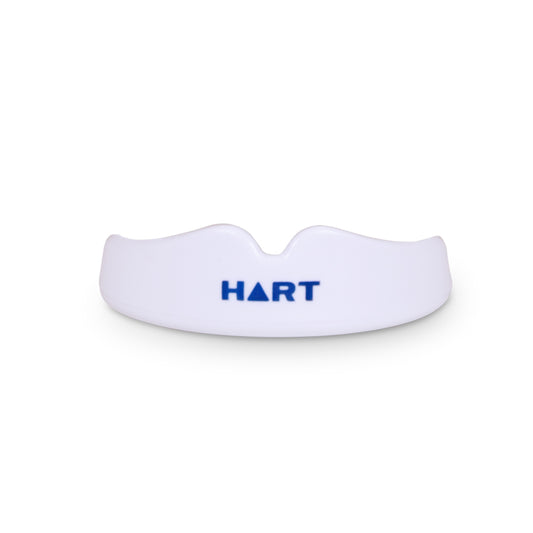

HART Armour Mouthguard
- $5.50
$5.50- $5.50
- (-0%)
- Unit price
- per
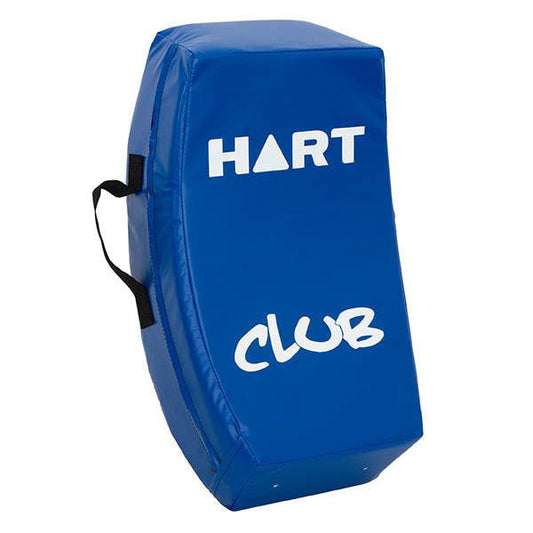
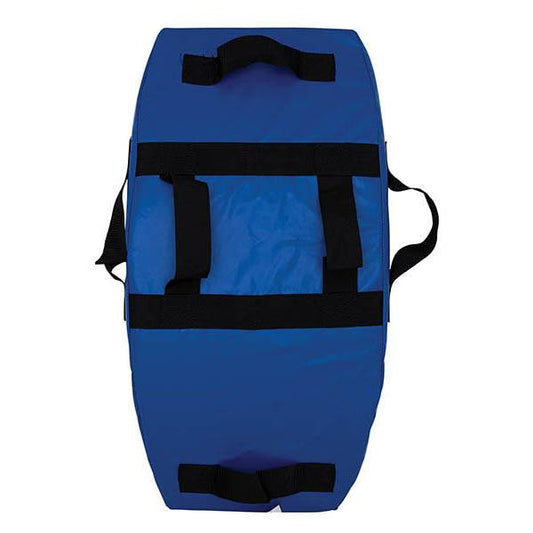
HART Club Curved Hit Shield - Standard
- From $229.00
$229.00- From $229.00
- (-0%)
- Unit price
- per
-
Standard
-
Custom Printed


HART Elite Curved Hit Shield - Standard
- From $255.00
$255.00- From $255.00
- (-0%)
- Unit price
- per
-
Standard
-
Custom Printed
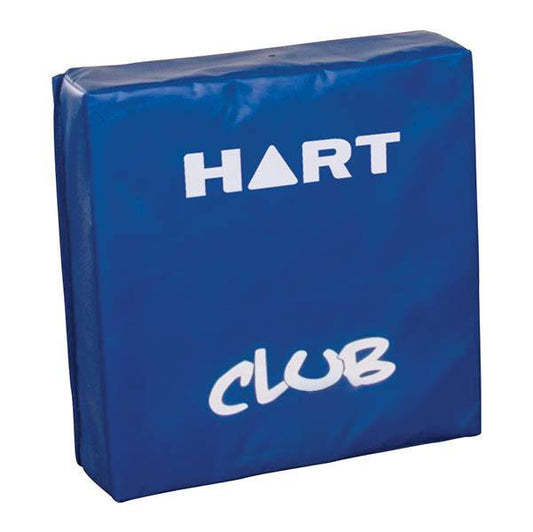
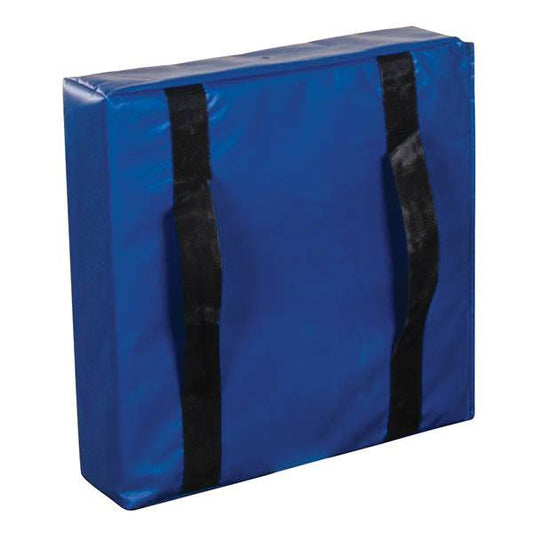
HART Club Flat Hit Shields - Standard
- From $125.00
$125.00- From $125.00
- (-0%)
- Unit price
- per
-
Standard
-
Custom Printed
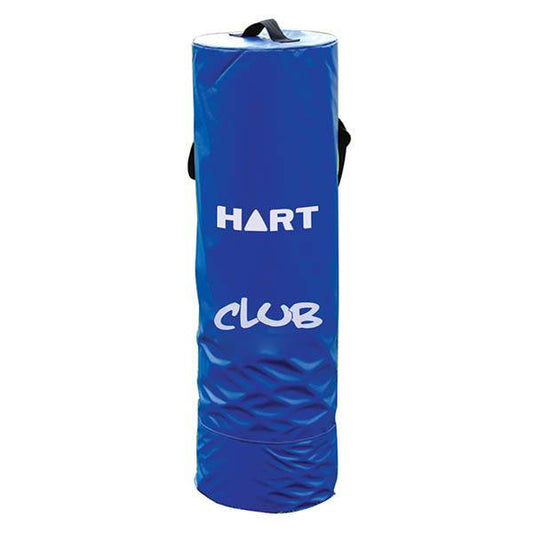
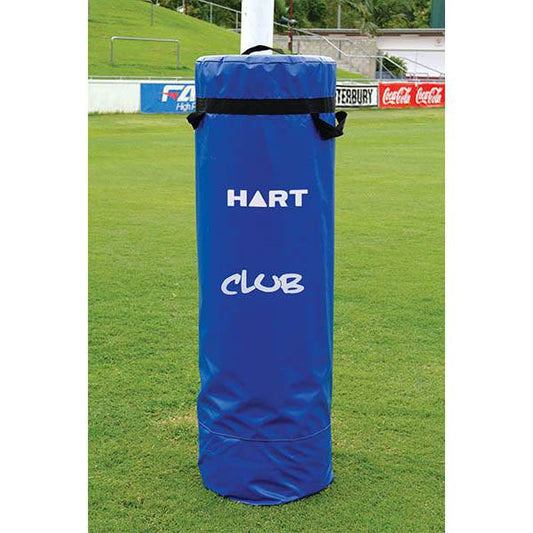
HART Club Tackle Bags - Standard
- From $390.00
$390.00- From $390.00
- (-0%)
- Unit price
- per
-
Standard
-
Custom Printed
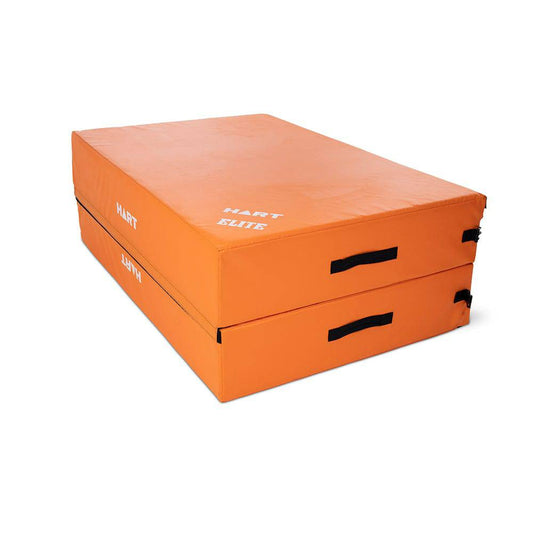
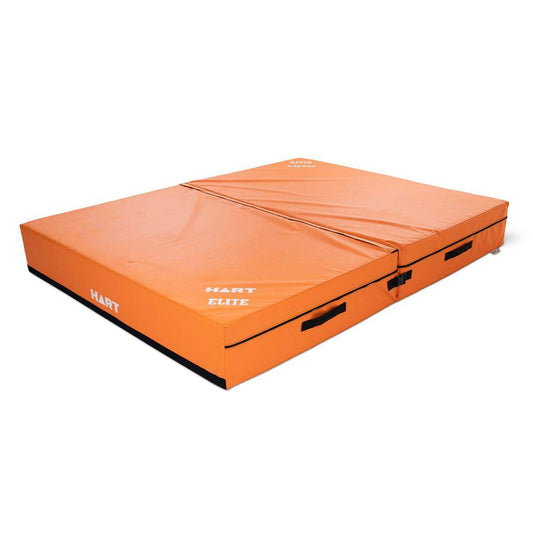
HART Tackle Mat
- From $1,350.00
$1,350.00- From $1,350.00
- (-0%)
- Unit price
- per
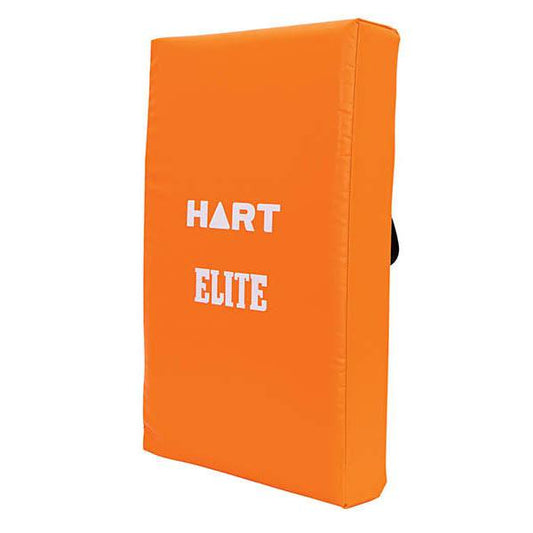
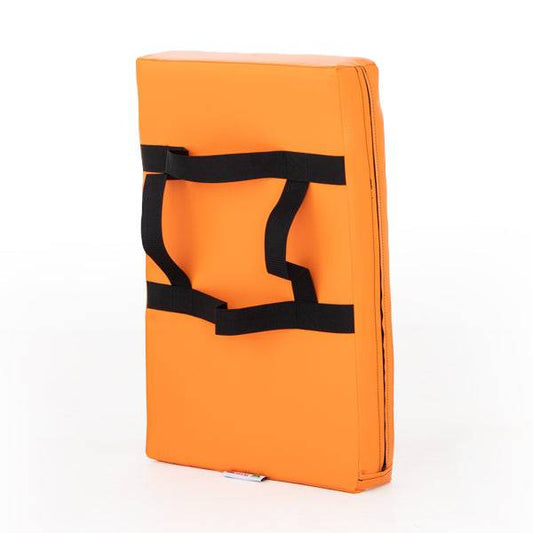
HART Elite Flat Hit Shields - Standard
- From $169.00
$169.00- From $169.00
- (-0%)
- Unit price
- per
-
Standard
-
Custom Printed